Igunanodon

Pronunciation: ig-WHA-noh-don

Iguanodon bernissartensis

"iguana tooth from Bernissart"

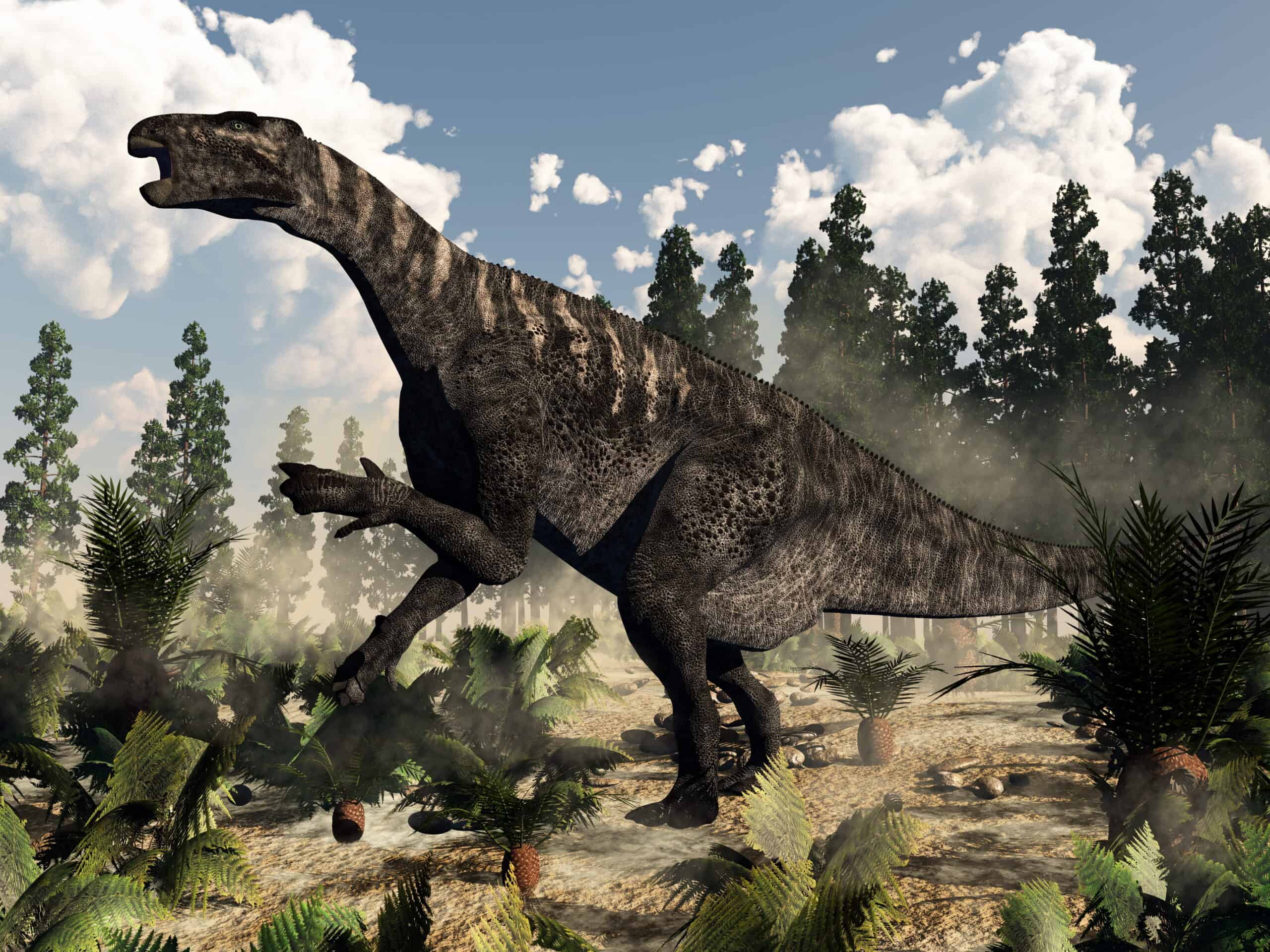
In 1825, Iguanodon became only the second dinosaur to be scientifically described. It was named for its iguana-like teeth, which also provided the first indication that dinosaurs were reptiles.

As one of the few dinosaurs capable of walking on either two feet or four, it could browse on low-lying plants and also rear up on its hind legs to reach higher vegetation. Iguanodon fossils have been found in groups, suggesting that they may have lived in herds.

Where Found: Europe

Geologic Time Frame: Early Cretaceous, 126 – 122 million years ago

Diet: herbivore

Habitat: forests, floodplains, coastal areas, marshes

Weight: 3.4 – 5 tons

Plan your visit today!

The Phoenix Zoo is one of the largest non-profit zoos in the U.S., caring for over 3,000 animals, with nearly 400 species represented, including many threatened/endangered species.

Plan your visit today!

The Phoenix Zoo is one of the largest non-profit zoos in the U.S., caring for over 3,000 animals, with nearly 400 species represented, including many threatened/endangered species.