


Health and Wellbeing
EIN Tax ID #86-0174843
Commitment to animal care
The vets and support staff at the Phoenix Zoo, one of the largest non-profit zoos in the United States, work hard every day to ensure the health and wellbeing of more than 3,000 animals, with nearly 400 species represented, including many threatened or endangered species.
veterinary care
Built in 1970, the Zoo’s vet staff has been caring for the animals through the Joyce Corrigan Animal Care Center. Once construction is completed, the Veterinary Medical Center (VMC) will serve as the new medical hospital, while the Doornbos Animal Rescue and Care Center (Doornbos ARCC) will serve as a housing facility. The VMC will allow the veterinary staff to continue serving the animals, with access to upgraded technology, imaging and equipment, as well as a significant space upgrade. The additional space of the Doornbos ARCC will house and care for even more rescues and provide a second chance at life for those animals.
Creatures large and small receive expert medical care. Animals are examined routinely and given vaccinations to prevent disease.
Routine physical exams involve blood work assessments, full-body radiographs and a full physical examination including a dental check-up, ophthalmic and otic exam (eyes and ears). Vaccine boosters are also given, if needed.
When an animal is ill, vet staff are there to help by providing diagnostic testing, x-rays and surgery. We partner with outside specialists who visit from local veterinary practices whenever needed.
WELLBEING
Animal wellbeing is the state of being comfortable, healthy and happy. This is achieved by giving animals lifelong opportunities to thrive. The word wellbeing ultimately answers the questions we care about most: “Are the animals happy?”
The wellbeing of animals in our care is our moral responsibility and is built into who we are as the Phoenix Zoo. The animals that call the Phoenix Zoo home serve as ambassadors to their wild counterparts, participate in Species Survival Plans (SSP’s) or breeding plans and inspire our guests to care for their conservation and the natural world. By providing the best care for the animals at the Zoo and ensuring optimal animal wellbeing, our animals are able to better contribute to SSP’s or breeding plans and inspire our guests by engaging in species-appropriate behaviors.
We strive to ensure that our animals not only survive but thrive in our care.
The Phoenix Zoo has a process for assessing animal wellbeing. Our staff assesses both inputs (things we provide the animal) and outputs (the animal’s response). Assessing both inputs and outputs allows us to determine how well we are providing for the animal and how the animal is responding to our management.
Providing for our animals and ensuring their wellbeing is built into the core of what the Phoenix Zoo promotes and practices. We will continually work to assess and adjust our management to ensure the animals are thriving in our care. What works for one individual, species or individuals of the same species may not work for another, which is why we assess and look at all animals critically to determine where, or if, any changes need to be made.
Staff at the Zoo are dedicated to ensuring optimal animal wellbeing. All staff members take part in providing for the animals through daily responsibilities, communication and collaboration. The Zoo’s Animal Welfare Committee works to address wellbeing concerns when they arise.
1. Promoting optimal animal health
2. Promoting species-appropriate diets
3. Promoting species-appropriate behaviors
4. Promoting choice and control
5. Promoting appropriate habitats and environments
Our animal care staff works to train their animals in cooperative care behaviors. Cooperative care behaviors aid in the husbandry (care) of the animal, in monitoring their health and has the animal willingly participate in their care and healthcare. Examples include blood draw training, ultrasound training, weighing, open mouth, body checks, standing up, nail trims, etc.
Meet the Vet
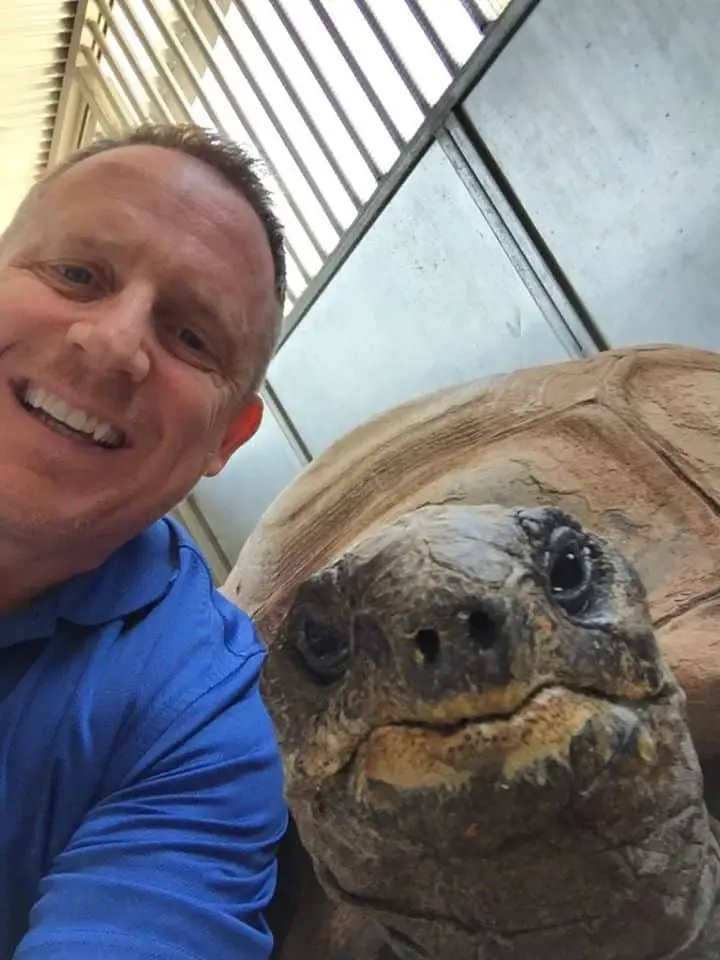
DR. GARY WEST
Dr. Gary West grew up in rural Iowa and graduated from Iowa State University’s College of Veterinary Medicine in 1995. Dr. West has been a zoo veterinarian for 20 years and is a diplomate in the American College of Zoological Medicine (board-certified in zoological medicine).
Dr. West is the chief editor of the 1st and 2nd editions of the book, “Zoo Animal and Wildlife Immobilization and Anesthesia.” Dr. West is currently the Executive Vice President of Animal Health and Living Collections at the Phoenix Zoo.
Animal Professionals Client Pet Celebration & Memorial Program
The Pet Celebration & Memorial Program is heavily supported by animal care professionals. Whether you’re assisting a family grieving the loss of a beloved friend, celebrating a client’s new family member or an animal’s healthy recovery, your donation demonstrates thoughtfulness and compassion for your clients.
*Corporate contributors will receive an annual thank you letter with tax receipt.
Pet Celebration
and Memorial Program
Special thanks to the animal professionals for participating in the Pet Celebration & Memorial Program!