


Home Explore Animals & Wildlife American Alligator
American Alligator
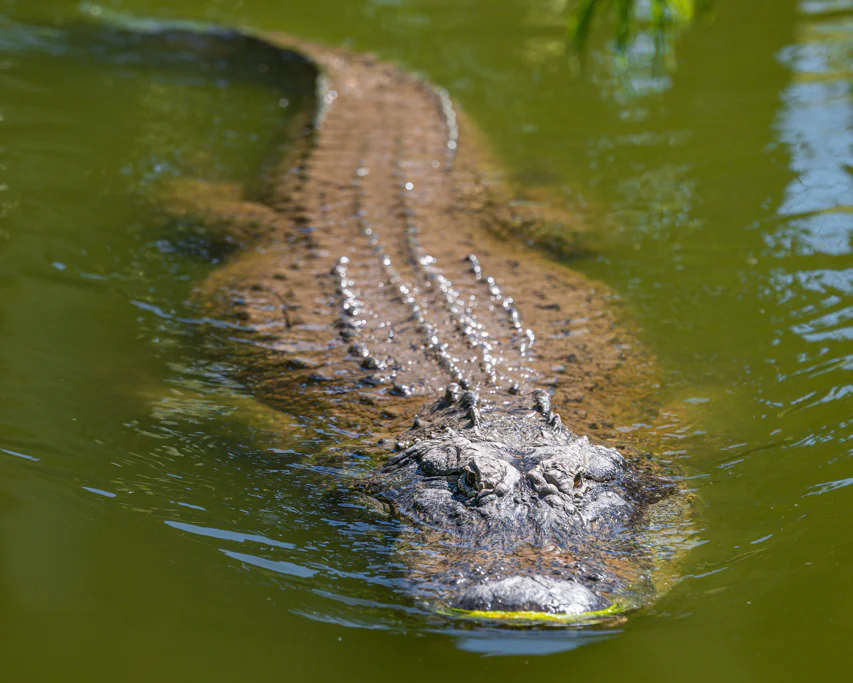
Alligator mississippiensis
Smile Like You Mean It
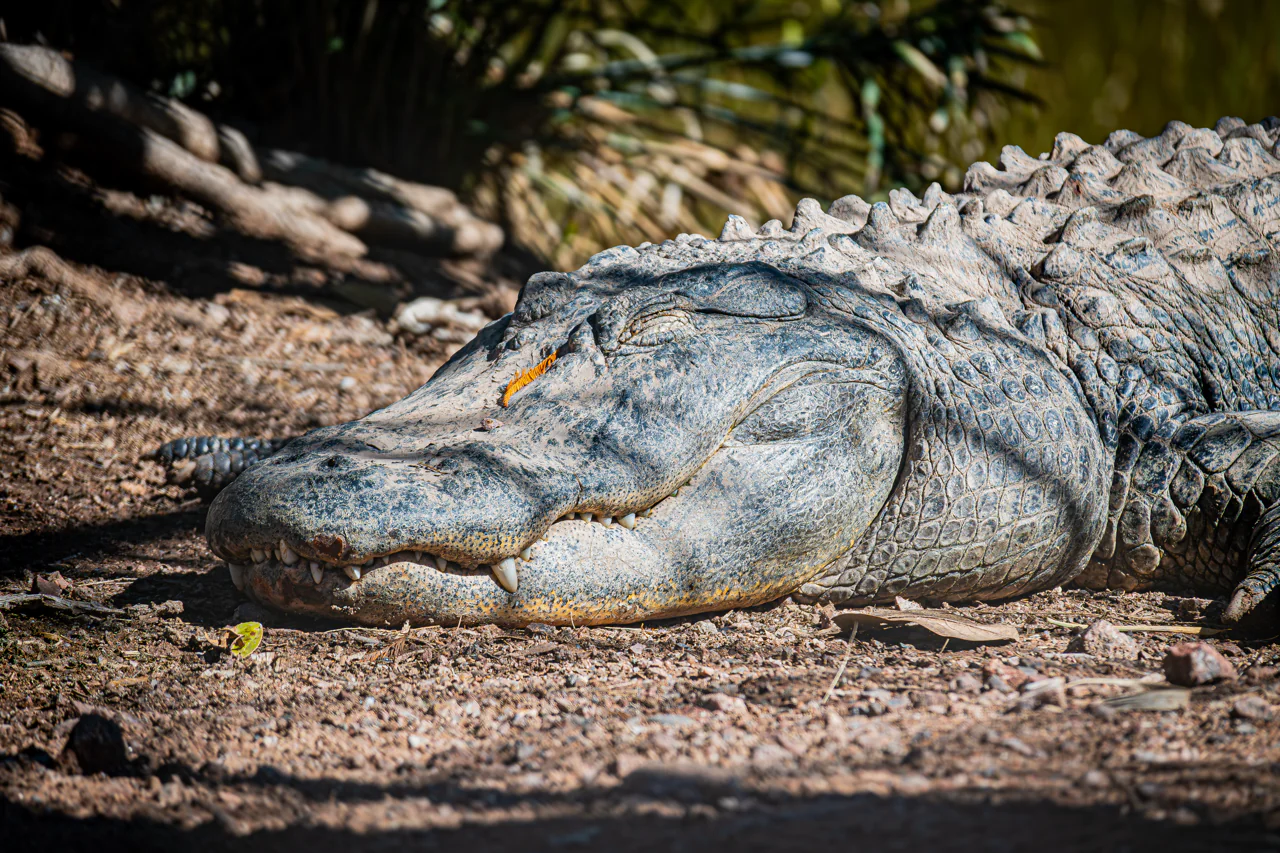
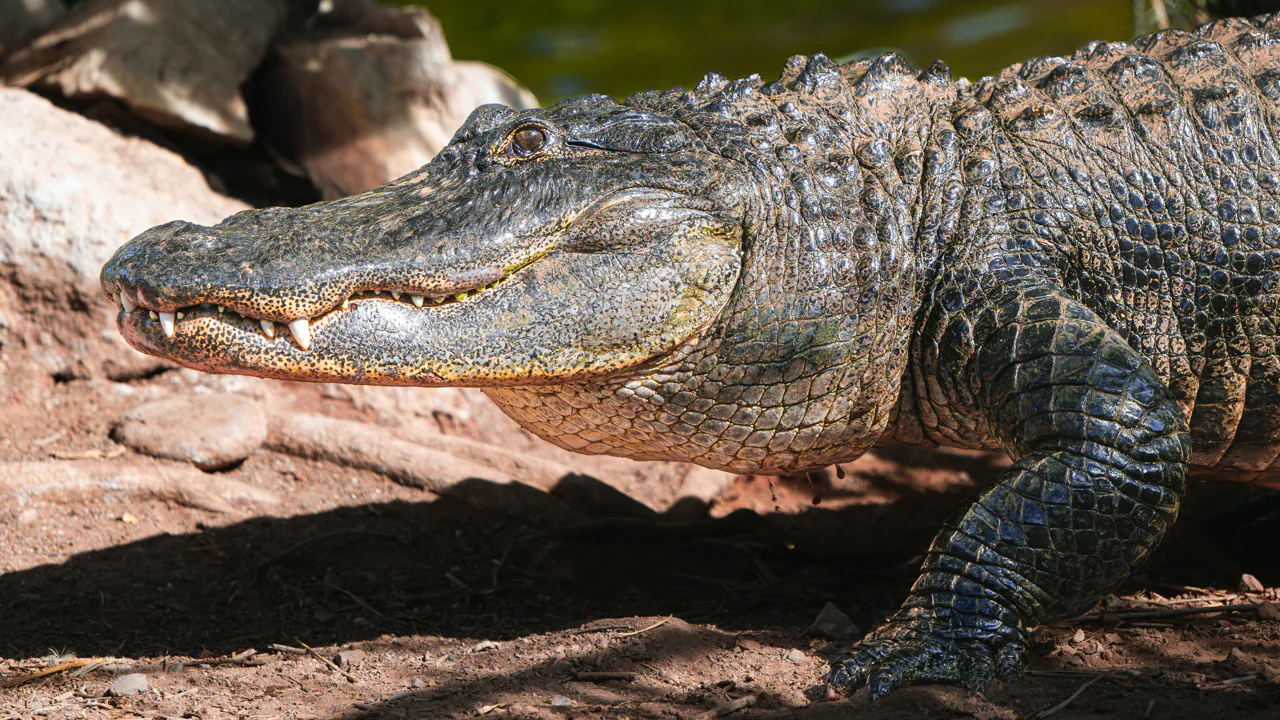
Ever wonder how to tell the difference between an alligator and a crocodile? One way is to look at their teeth. When an alligator’s mouth is closed, we see mostly its top teeth. When a crocodile’s mouth is closed, we see both its top and bottom teeth, and they interlock like a zipper. Alligators have around 80 teeth in their mouths, and as they wear down, they are replaced. They can go through about 3,000 teeth in a lifetime!
Winter is Coming
Hibernation is something typically associated with mammals, but did you know other animals also enjoy deep sleep? In the winter, alligators do something called brumation. Brumation occurs in ectothermic animals (animals who rely on external heat sources to regulate their temperature) and allows American alligators to slow down their metabolism and enter a state of rest. In contrast to hibernation, where mammals enter an extended slumber, brumating American alligators will occasionally wake up to drink water and stay hydrated.
Parental Care
Believe it or not, reptiles can be great parents. Reptiles aren’t always associated with parental care, but female American alligators do spend time caring for their young. An alligator egg is most vulnerable after being laid because of its strong scent that can attract predators. Mother alligators will remain close to their nest during this period to keep the eggs safe. Once ready to hatch, hatchlings make a distinct high-pitched call to alert mom. Upon hearing these sounds, she returns to the nest. When the eggs hatch, she will scoop up her young into her mouth and bring them to the water. Juveniles stay with their mothers from one to three years before venturing off on their own. See you later, alligators!
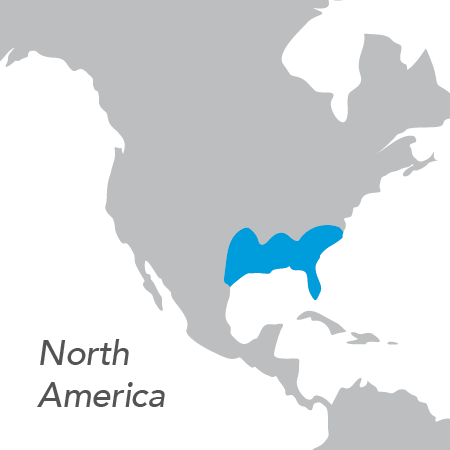
Diet: mammals, reptiles, fish, birds, fruits, invertebrates
Zoo Diet: formulated crocodilian diet, rabbits, rats
Habitat: rivers, streams, swamps, lakes
Weight: 150 – 1000 lbs
Plan your visit today!
The Phoenix Zoo is one of the largest non-profit zoos in the U.S., caring for over 3,000 animals, with nearly 400 species represented, including many threatened/endangered species.
Plan your visit today!
The Phoenix Zoo is one of the largest non-profit zoos in the U.S., caring for over 3,000 animals, with nearly 400 species represented, including many threatened/endangered species.