Home Explore Animals & Wildlife Kinkajou
Kinkajou
Potos flavus
Need a Hand?
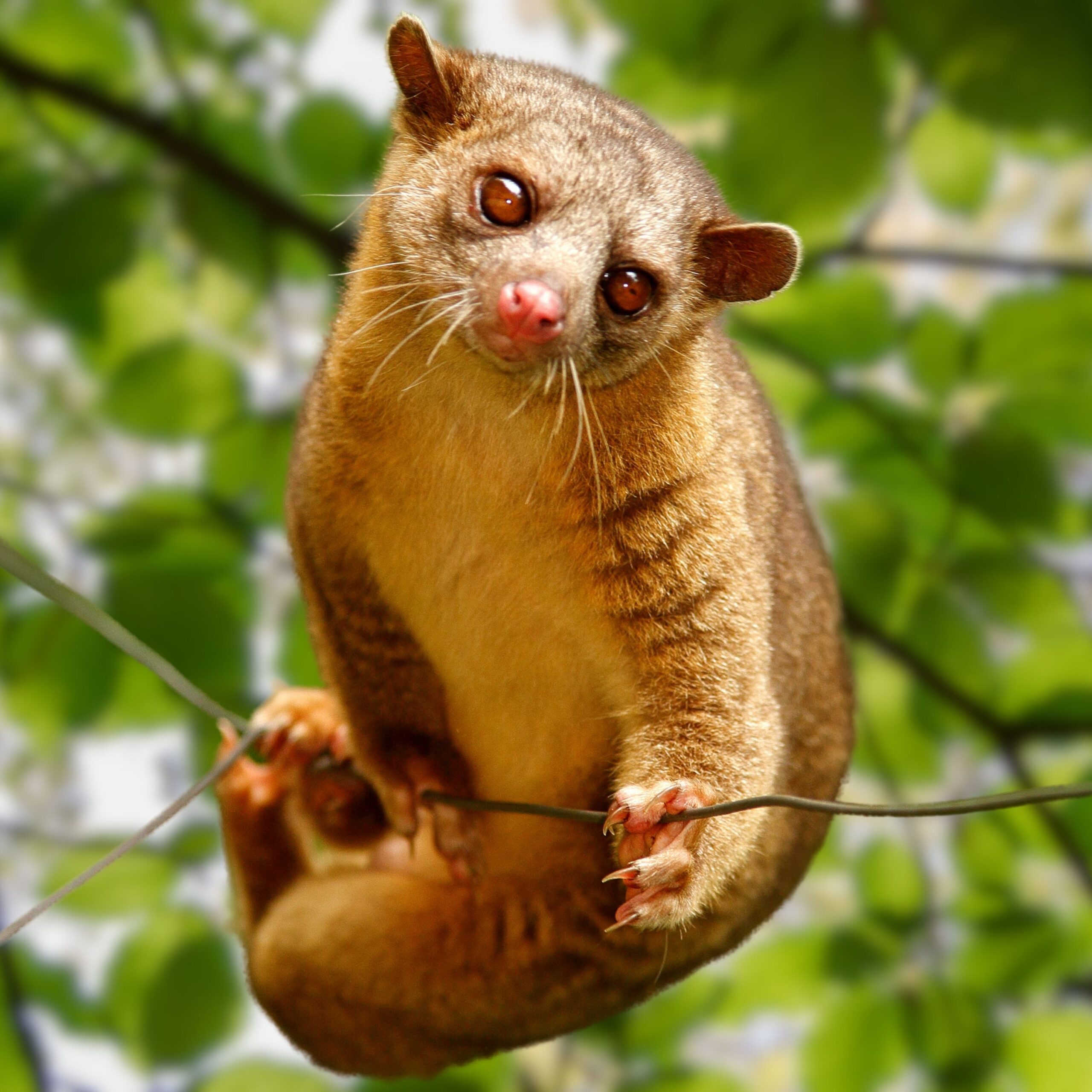
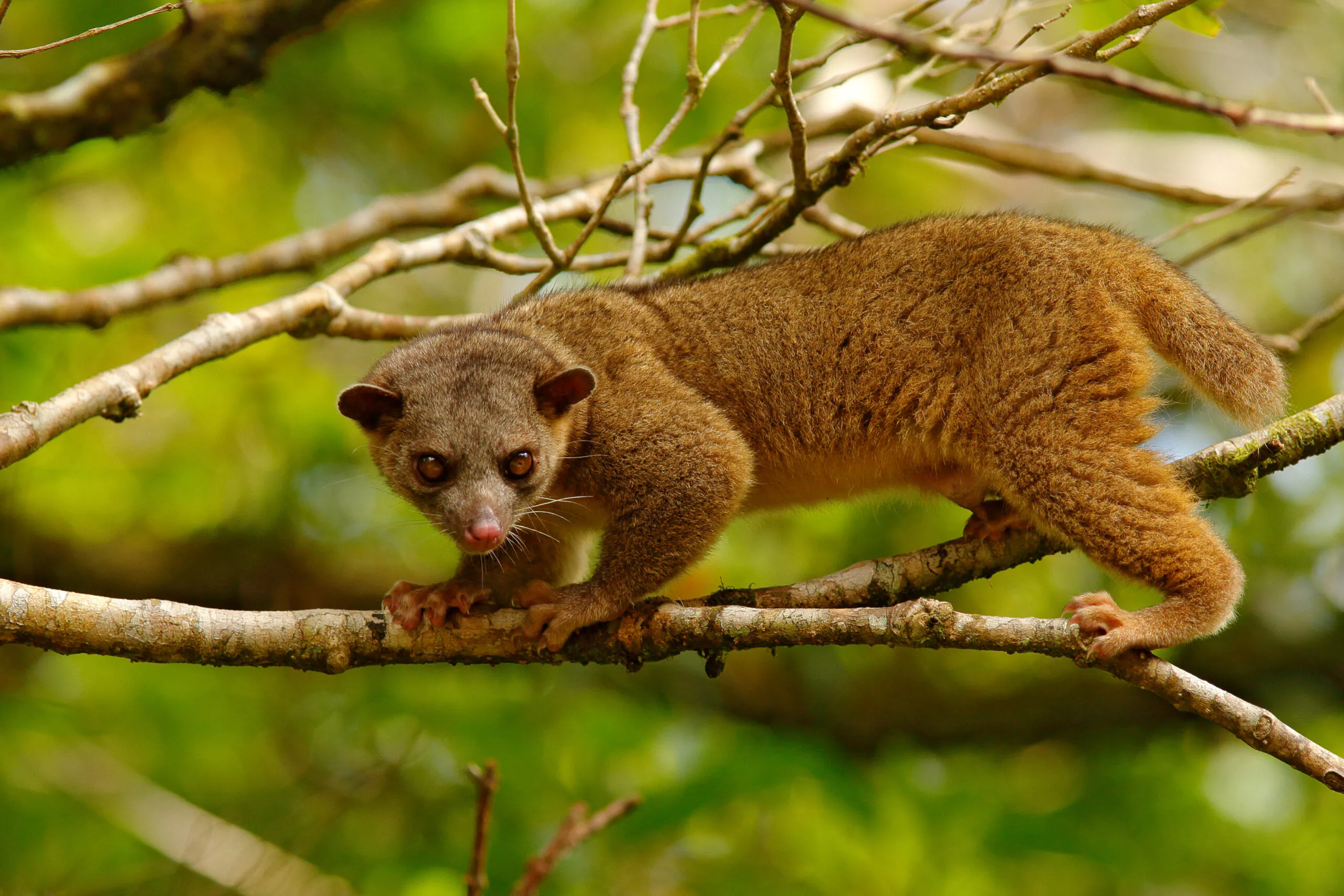
Kinkajous can hang upside down from tree branches thanks to their strong, prehensile tails. Prehensility, the ability to grasp, is a useful adaptation for life in the trees. Their tails are so strong that they can pull themselves up from hanging without using their arms. Kinkajous can also be seen wrapping their tails around themselves to keep warm.
La Llorona
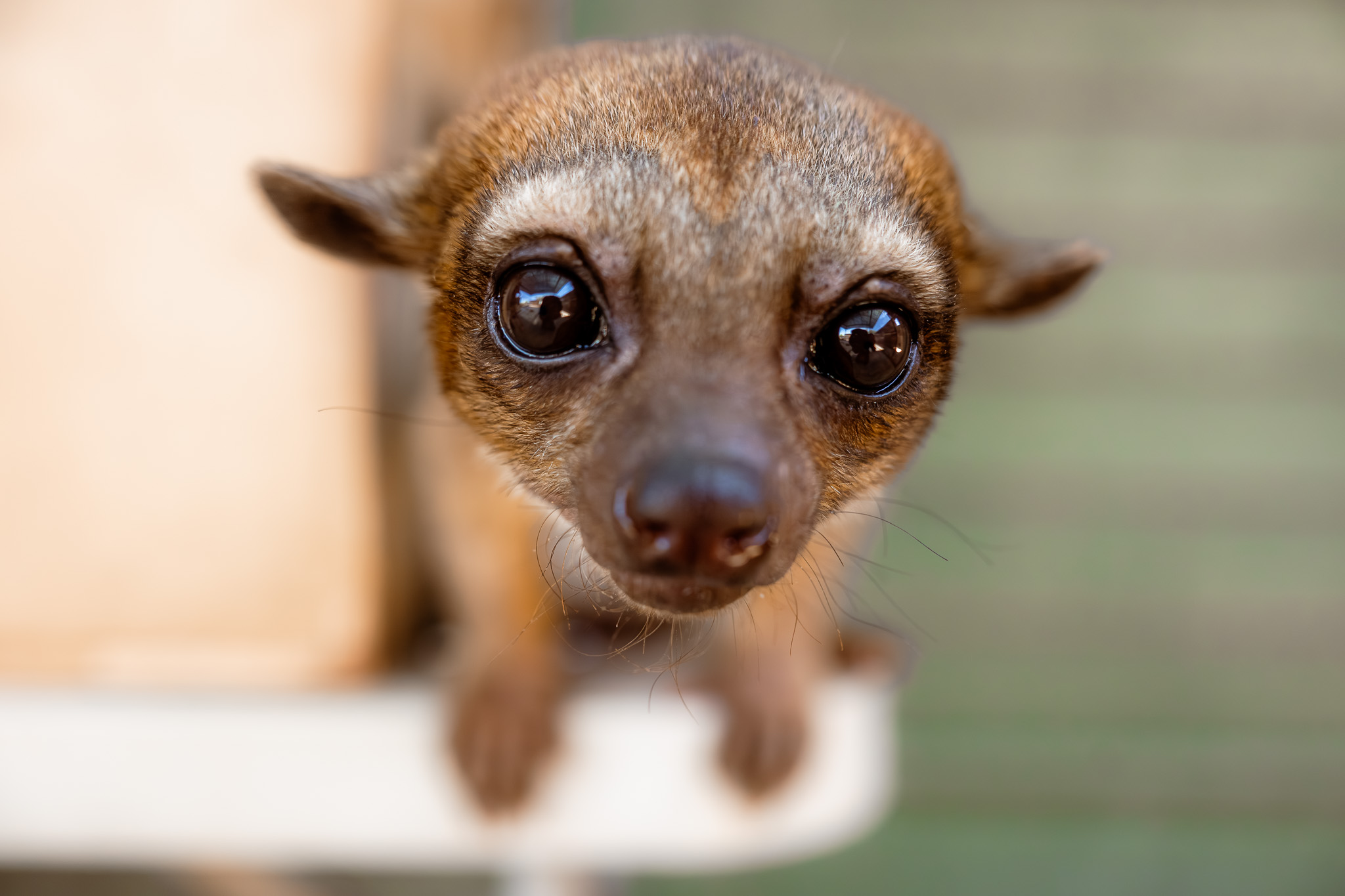
Kinkajous are known for their variety of vocalizations. Sounds they make include hisses, barks and high-pitched squeaks. Each noise has its own purpose, from courtship to alarm calls to warn of predators nearby. Kinkajous have earned the nickname “La Llorona,” or “the crying woman.” This name comes from local populations who often hear kinkajou calls echoing throughout the forest at night.
Not Monkeying Around
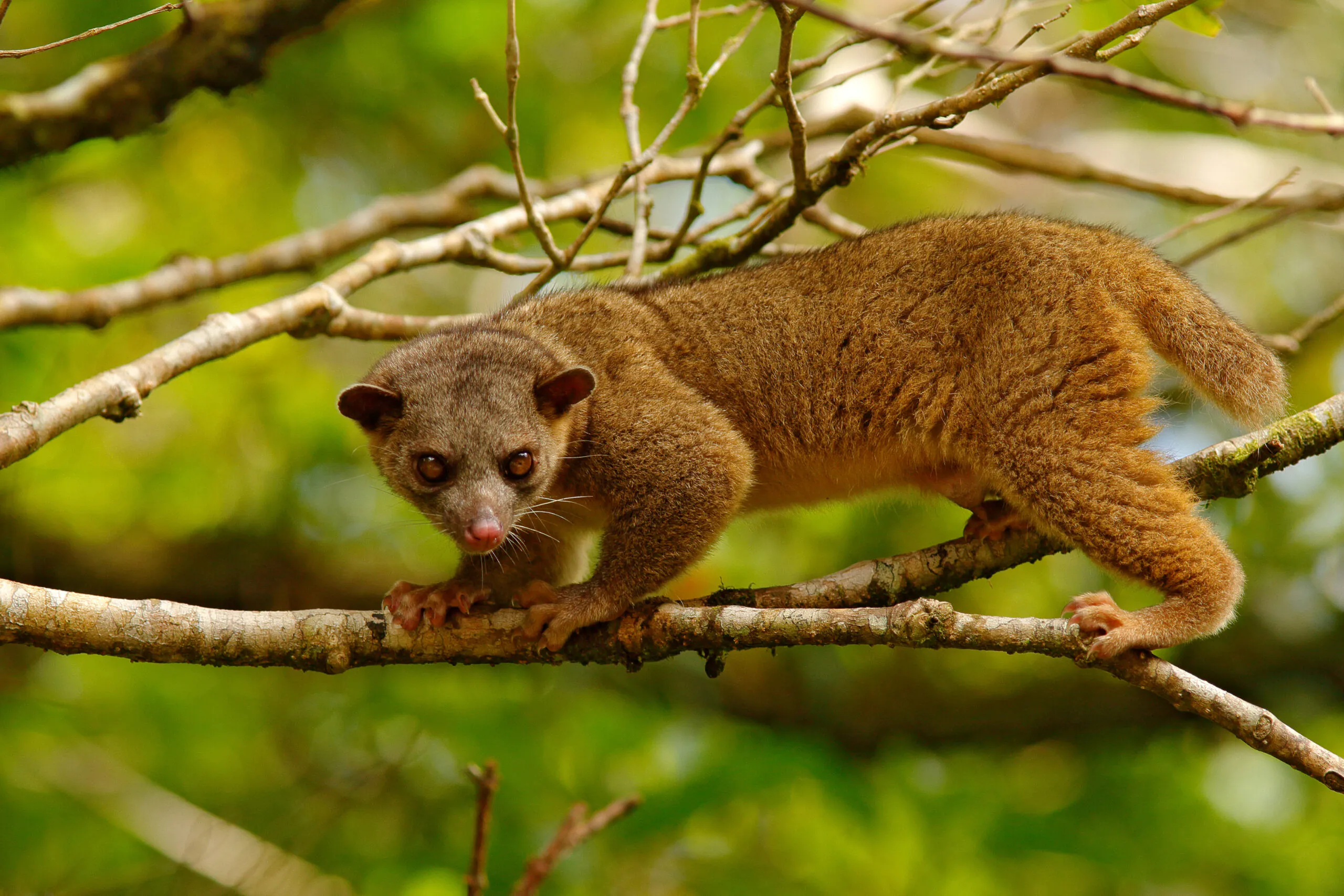
It’s easy to mistake a kinkajou for a species of monkey as they share several common traits with monkey species found in the Western Hemisphere. Kinkajous have a prehensile tail, live an arboreal lifestyle and have a similar diet to monkeys throughout the Americas. This diet includes fruit, insects and nectar. But kinkajous are not monkeys; they’re not even in the primate family. Kinkajous belong to the family Procyonidae, which includes coatis, ringtails and raccoons.
Diet: fruits, insects, flowers, nectar
Zoo Diet: starch, vegetables, fruits, greens, formulated feed
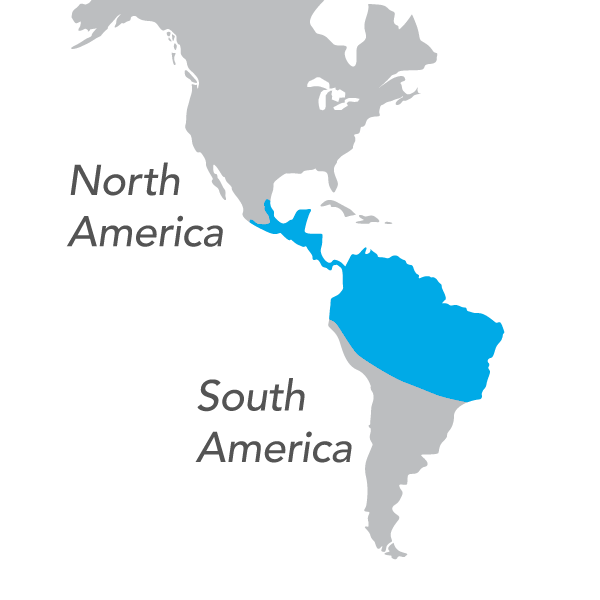
Habitat: forests
Weight: 3 – 10 lbs
Plan your visit today!
The Phoenix Zoo is one of the largest non-profit zoos in the U.S., caring for over 3,000 animals, with nearly 400 species represented, including many threatened/endangered species.
Plan your visit today!
The Phoenix Zoo is one of the largest non-profit zoos in the U.S., caring for over 3,000 animals, with nearly 400 species represented, including many threatened/endangered species.