

Home Explore Animals & Wildlife Palm-nut Vulture
PALM-NUT VULTURE
Gypohierax angolensis
A Most “Un-vulture” Vulture!
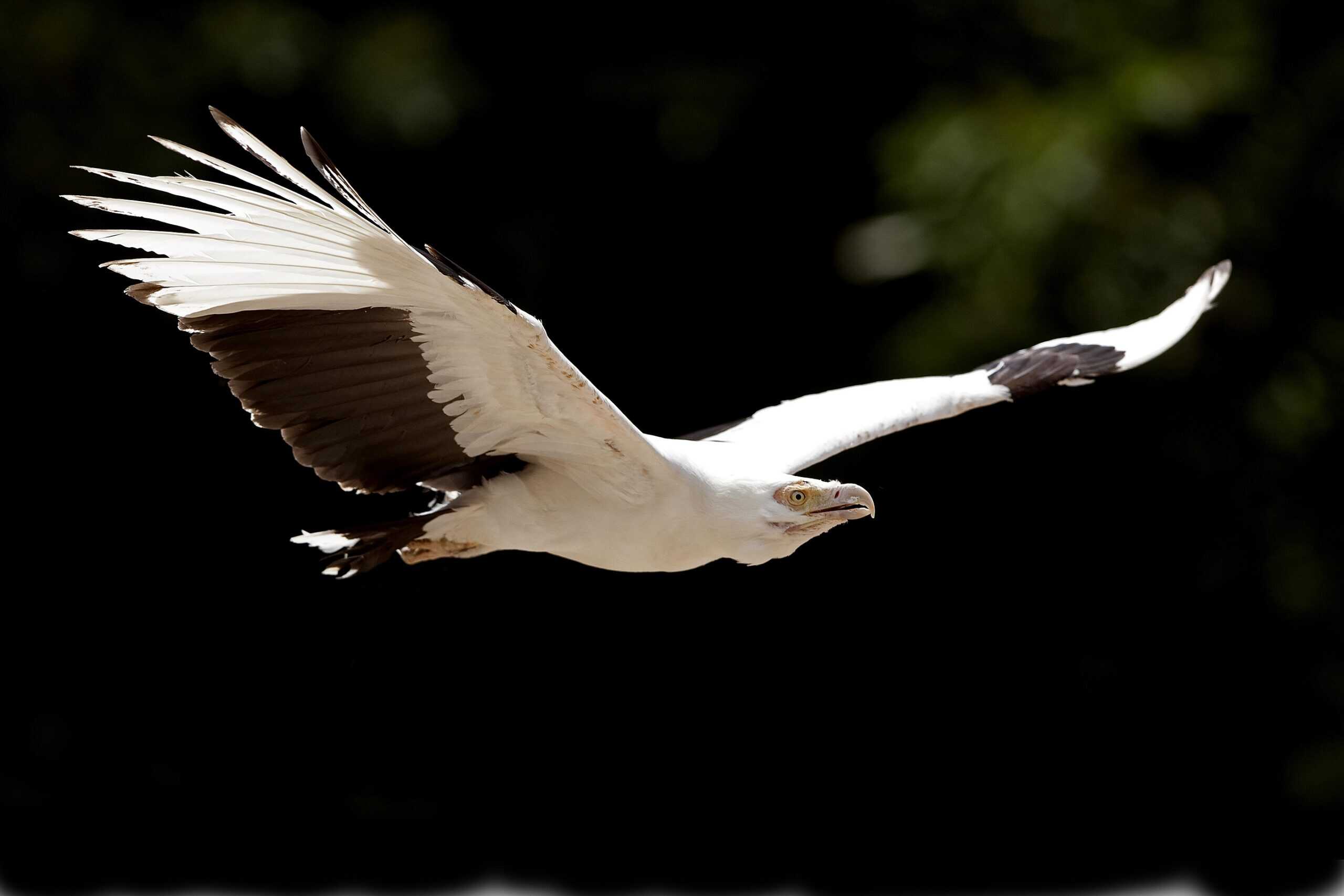
As the name suggests, palm-nut vultures have a unique dietary preference that sets them apart from other vultures — they like fruit! The fruit of the oil palm and raffia palm trees makes up nearly 60 percent of an adult palm-nut vulture’s diet. Add to that an affinity for other fruits like dates, plus grains and small live prey, and you have a very un-vulture vulture. In fact, they are unlikely to participate in typical large carcass feeds with other vultures and generally only eat smaller carrion when available.
Once classified with eagles, hawks and falcons, they are sometimes still referred to as “vulturine fish eagles.” Through molecular sequencing, it’s now believed that palm-nut vultures are the only species in the genus Gypohierax.
Just Hanging Around
Palm-nut vultures will actually hang upside down in palm trees when feeding, hanging by one foot and grasping and eating the fruit with the other. Using their sturdy bills to crack open the hard shells, they strip away the fibrous husks and tear into the fruits. Their strong bills are also useful for eating fish, crabs and invertebrates.
All-Natural Food Coloring
That fruit that palm-nut vultures love so much also plays a role in the coloring of their bare facial skin, with juvenile coloring ranging from yellows and browns and adults being more brightly-colored oranges and reds. And unlike most other vultures, they have fully feathered heads — yet another way these birds push the boundaries of what it means to be a vulture! And as if these vultures weren’t unique enough already, they also claim the title of smallest Old-World vulture, weighing an average of just over three pounds.
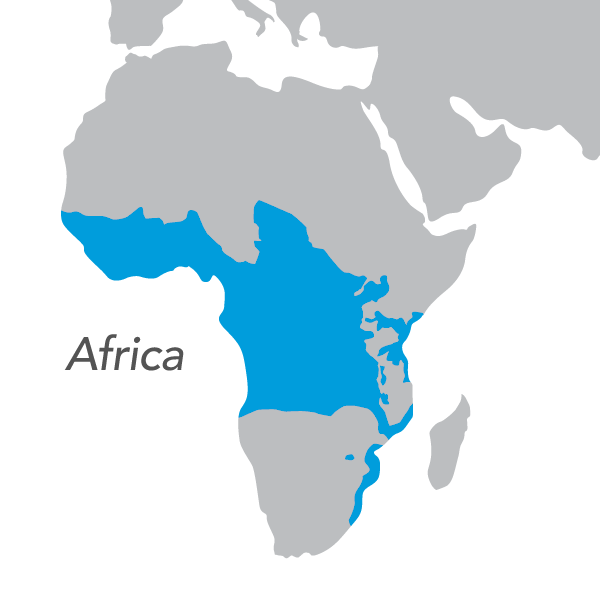
Diet: palm fruits, fish, small animals, carrion
Zoo Diet: specialized carnivore meat, mice, smelt, avocado, prunes, figs
Habitat: savannas, lakes, rivers, mangroves, forests, oil palm plantations
Weight: 3 – 3.7 lbs
Plan your visit today!
The Phoenix Zoo is one of the largest non-profit zoos in the U.S., caring for over 3,000 animals, with nearly 400 species represented, including many threatened/endangered species.
Plan your visit today!
The Phoenix Zoo is one of the largest non-profit zoos in the U.S., caring for over 3,000 animals, with nearly 400 species represented, including many threatened/endangered species.