



Home Explore Animals & Wildlife Sumatran Tiger
Sumatran Tiger
Panthera tigris sumatrae
Island Life
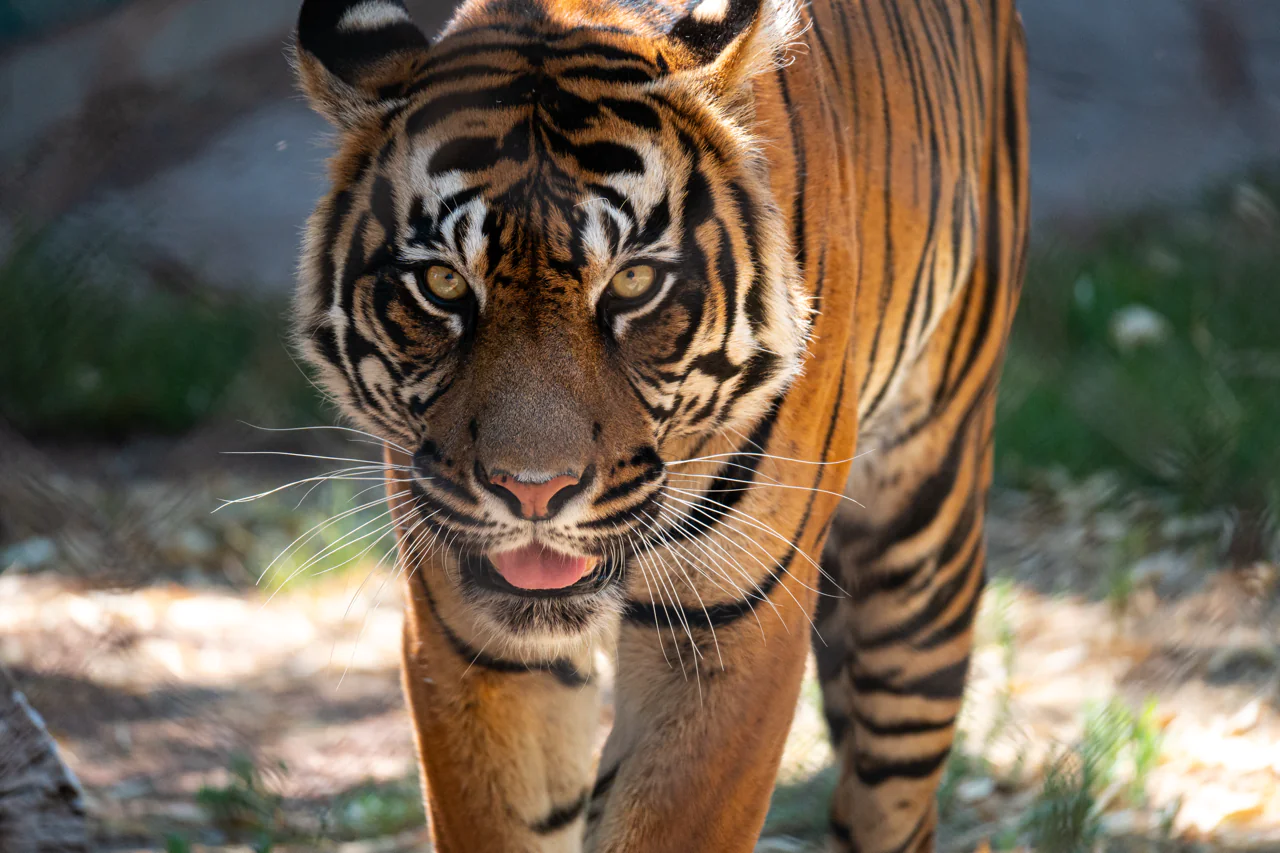
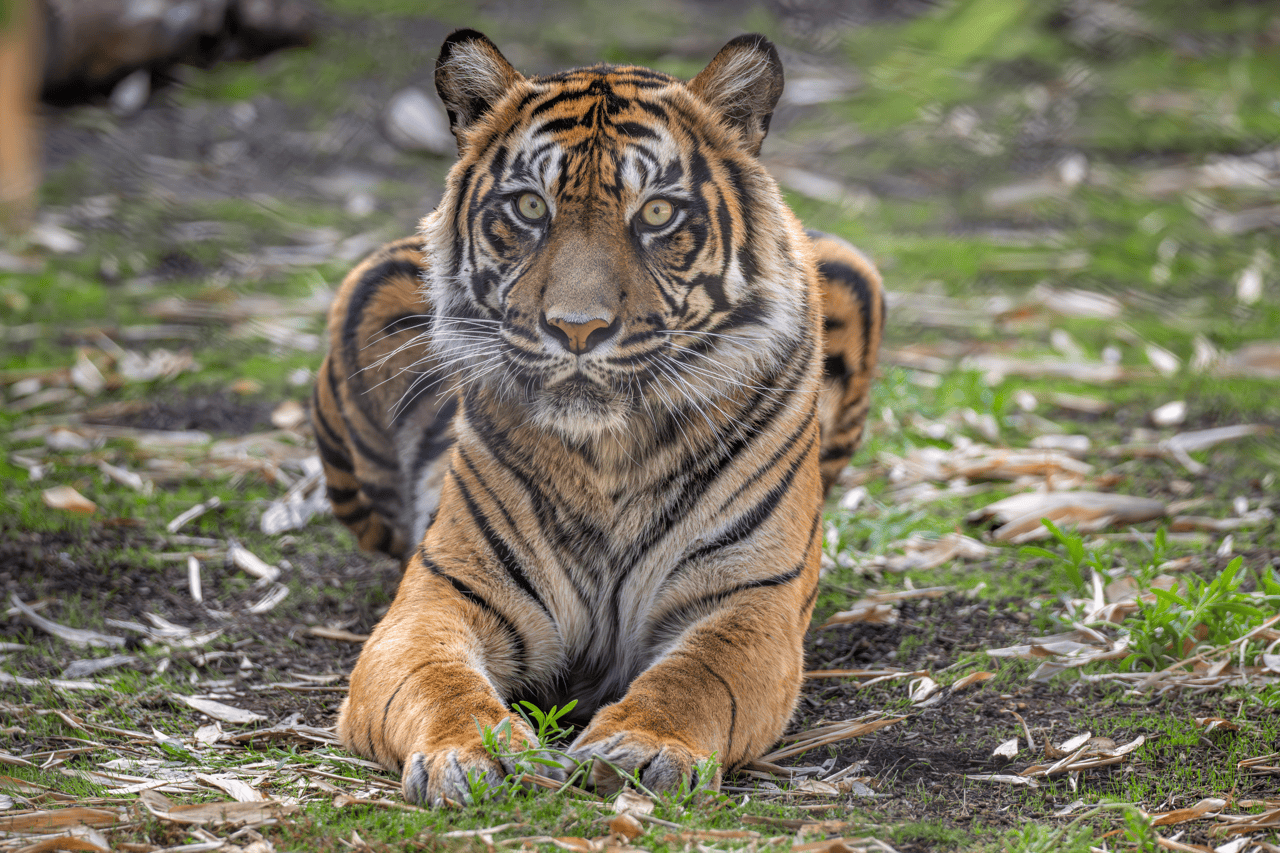
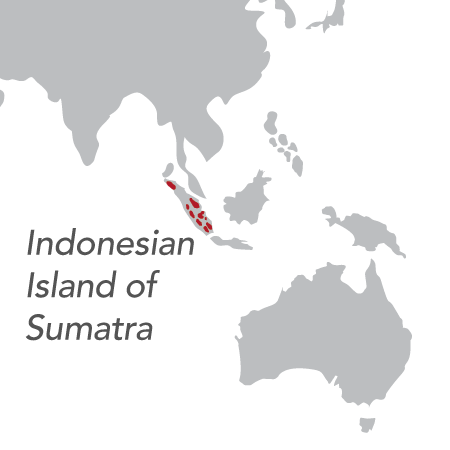
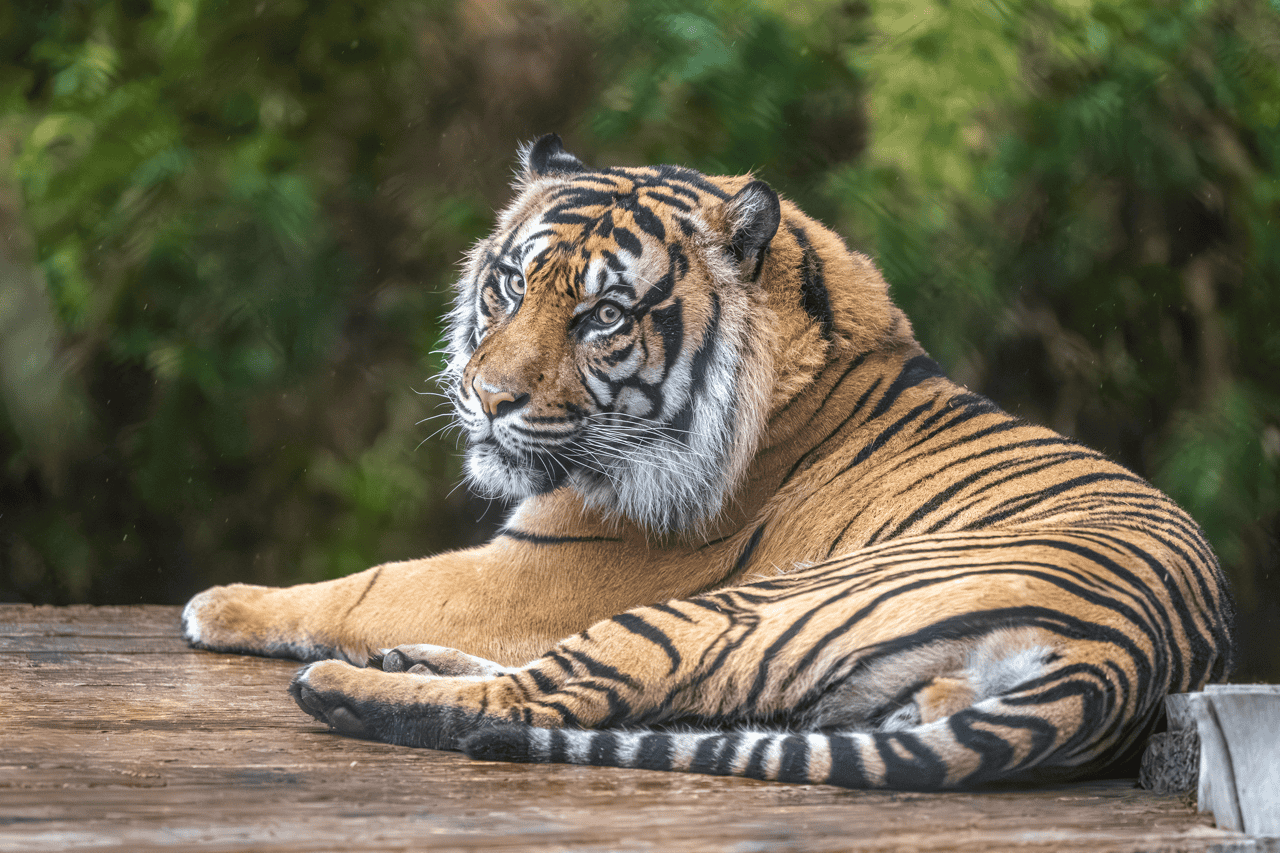
As the only remaining island-dwelling tiger species, Sumatran tigers are well adapted to their home. Their bodies are smaller than other tigers, which helps them travel nimbly through dense rainforests without being detected. This gives them a great advantage when hunting. Darker fur and narrower stripes than other tigers provide extra camouflage in their shady habitat, and super-sized whiskers help them sense their surroundings at night.
As Sumatra is an island of streams and rivers, they are great swimmers and will commonly chase prey into water. They even have webbed toes!
Habitat Helpers
Tigers are the apex predators of Sumatra, and their daily activities help keep their ecosystems balanced. Their hunting activities protect vegetation by keeping herbivore populations in check. Herbivores must be cautious when tigers are present, which keeps them from staying in one area for too long and overgrazing. Tigers also support smaller carnivores and omnivores like civets, birds and insects by leaving behind leftover meat from their kills. They even play a small role as seed dispersers, as their prey species often carry seeds in their digestive systems. As the tigers roam their territory, they deposit these seeds, semi-digested and ready to germinate.
Sumatran tigers are what scientists call an “umbrella species.” By protecting their rainforest habitats, we benefit rhinos, orangutans and all species of plant and animal that share those forests.
Tiger Conservation Campaign
Tigers once ranged over much of Asia and the Middle East. Numbering around 100,000 individuals in the early 1900s, today roughly 5,000 tigers remain in their natural habitat, of which about 500 live on the island of Sumatra. Java, Bali and Caspian tigers have all gone extinct. All tigers are under threat from poaching, climate change, disease and the effects of deforestation, often due to palm oil production. Sumatra has lost over half of its forested areas since 1985.
Through the Tiger SSP’s Tiger Conservation Campaign, the Phoenix Zoo supports WCS-Indonesia’s work to conserve Sumatran tigers by responding to and preventing human-tiger conflict in villages surrounding two important tiger landscapes in Sumatra. In these landscapes, we also help fund ranger patrols that combat poaching and habitat encroachment.
Diet: deer, pigs, primates, reptiles, fish, birds
Zoo Diet: specialized carnivore diet, whole prey, bones
Habitat: forests, grasslands, wetlands
Weight: 165 – 310 lbs


Plan your visit today!
The Phoenix Zoo is one of the largest non-profit zoos in the U.S., caring for over 3,000 animals, with nearly 400 species represented, including many threatened/endangered species.

Plan your visit today!
The Phoenix Zoo is one of the largest non-profit zoos in the U.S., caring for over 3,000 animals, with nearly 400 species represented, including many threatened/endangered species.