


Home Explore Animals & Wildlife White-nosed Coati
White-nosed coati
Nasua narica
Noses, Toes and Tails
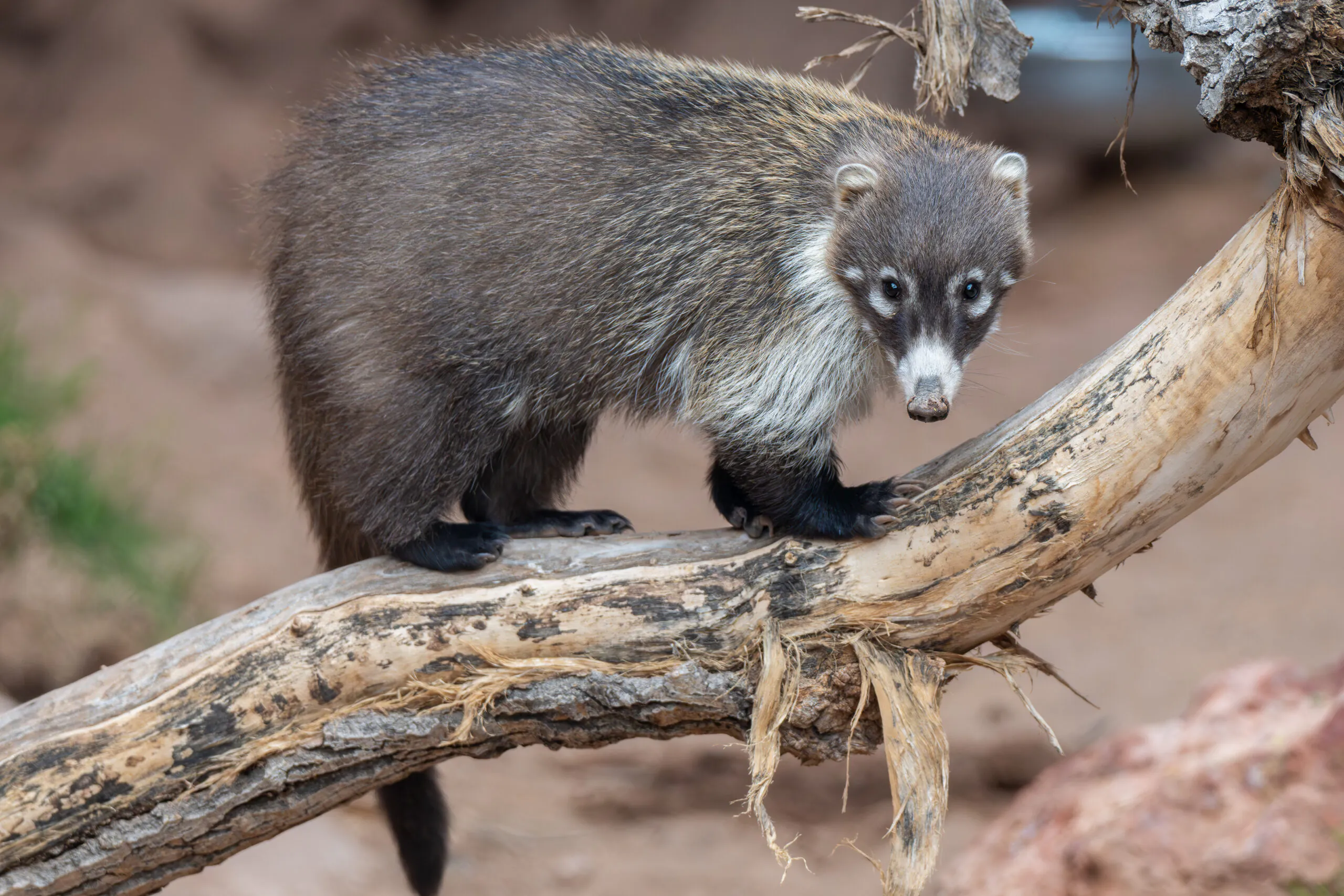
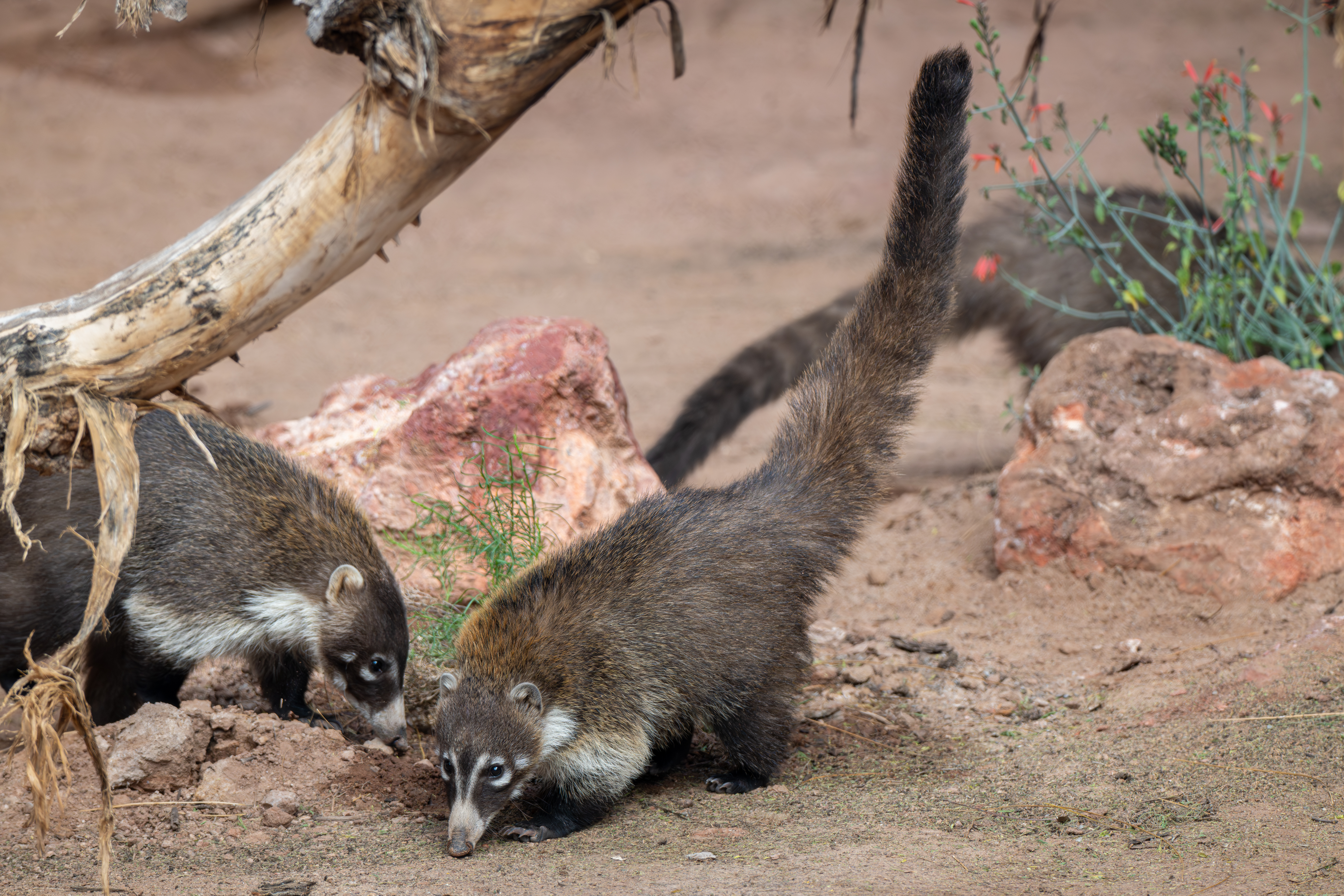
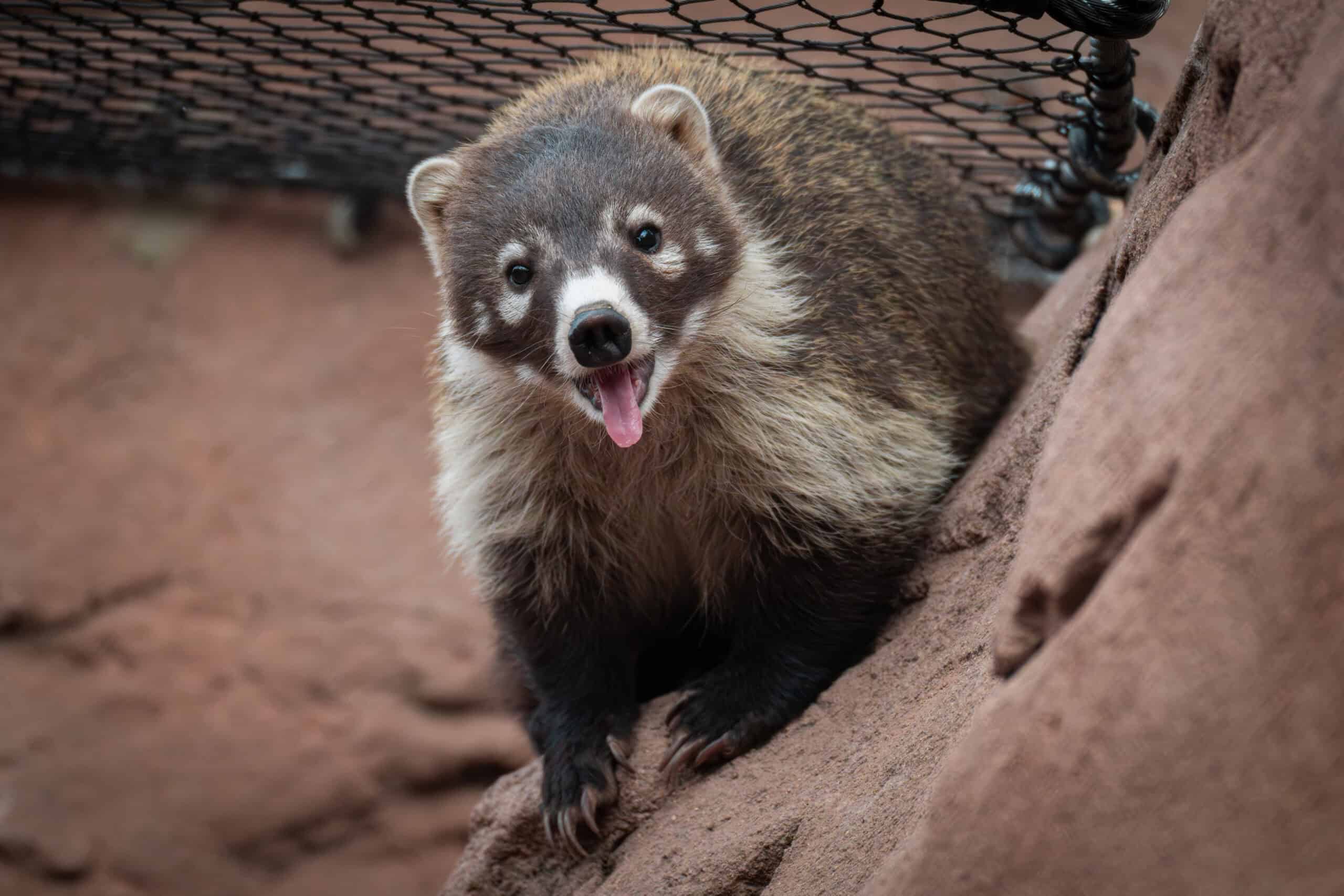
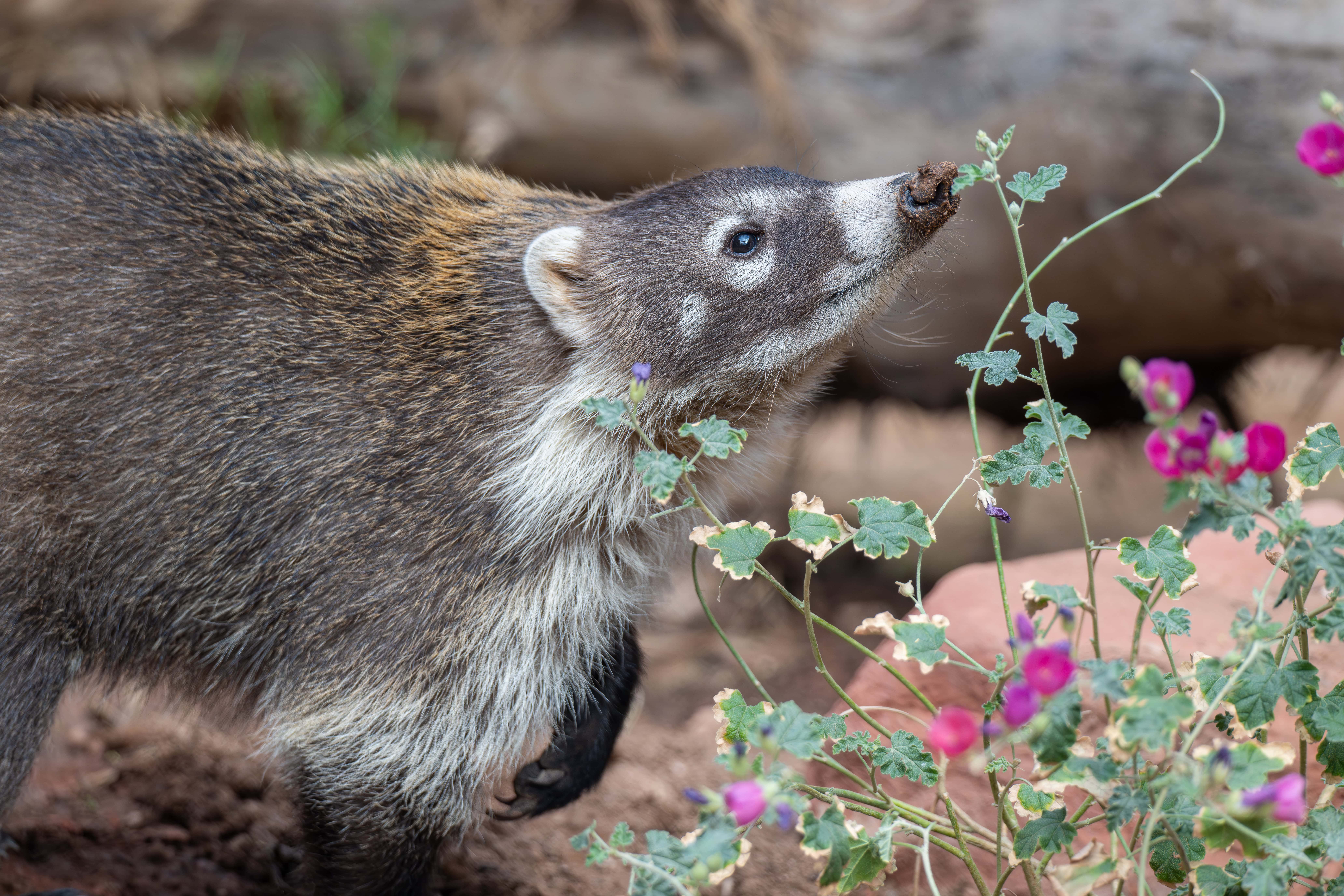
From the tops of their noses to the tips of their tails, white-nosed coatis are full of adaptations that help them thrive. Their pointy white snouts are long and flexible, allowing them to root around in holes and sort through leaf litter for meals. They have non-retractable claws, so they walk on the soles of their feet like bears, and their ankles rotate 180 degrees, enabling them to descend trees headfirst. They also have long tails that they use to balance while climbing trees and navigating branches.
Raccoon + Bee = Coati!
White-nosed coatis are in the same family as raccoons and share some common characteristics: facial mask markings, a striped tail and an omnivorous diet. But they also share a common trait with another critter — bees! Like bees, white-nosed coatis are pollinators of the balsa tree. In this mutually beneficial relationship, the coatis receive nourishment and hydration from the nectar of balsa flowers while simultaneously spreading the pollen that covers their faces after feeding.
Traveling Bands
White-nosed coati occupy a variety of habitats, from the high-altitude forests of Flagstaff, Arizona to the tropical lowlands northwestern Colombia. With this wide range of environments comes a wide range of predators, including mountain lions, bobcats, coyotes, ocelots, birds of prey, monkeys and even boa constrictors. To help protect themselves, coatis travel in large bands of up to 30 or more individuals (primarily females and young males up to two years old). These bands will forage, groom and rest during the day and sleep in branches overnight. Pregnant females will split from the group two or three weeks before giving birth to build a nest and raise their offspring, but they will rejoin the band shortly thereafter.
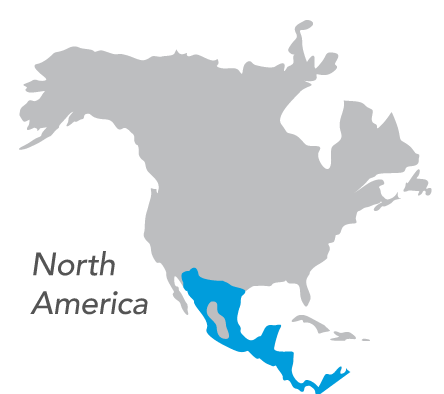
Diet: fruits, roots, nuts, eggs, invertebrates, reptiles, mice
Zoo Diet: fruit, veggies, starches (yam, carrot, or butternut squash), nuts, formulated kibble, eggs, mealworms, mice
Habitat: woodlands, deserts, grasslands, forests
Weight: 7 – 15 lbs
Plan your visit today!
The Phoenix Zoo is one of the largest non-profit zoos in the U.S., caring for over 3,000 animals, with nearly 400 species represented, including many threatened/endangered species.
Plan your visit today!
The Phoenix Zoo is one of the largest non-profit zoos in the U.S., caring for over 3,000 animals, with nearly 400 species represented, including many threatened/endangered species.