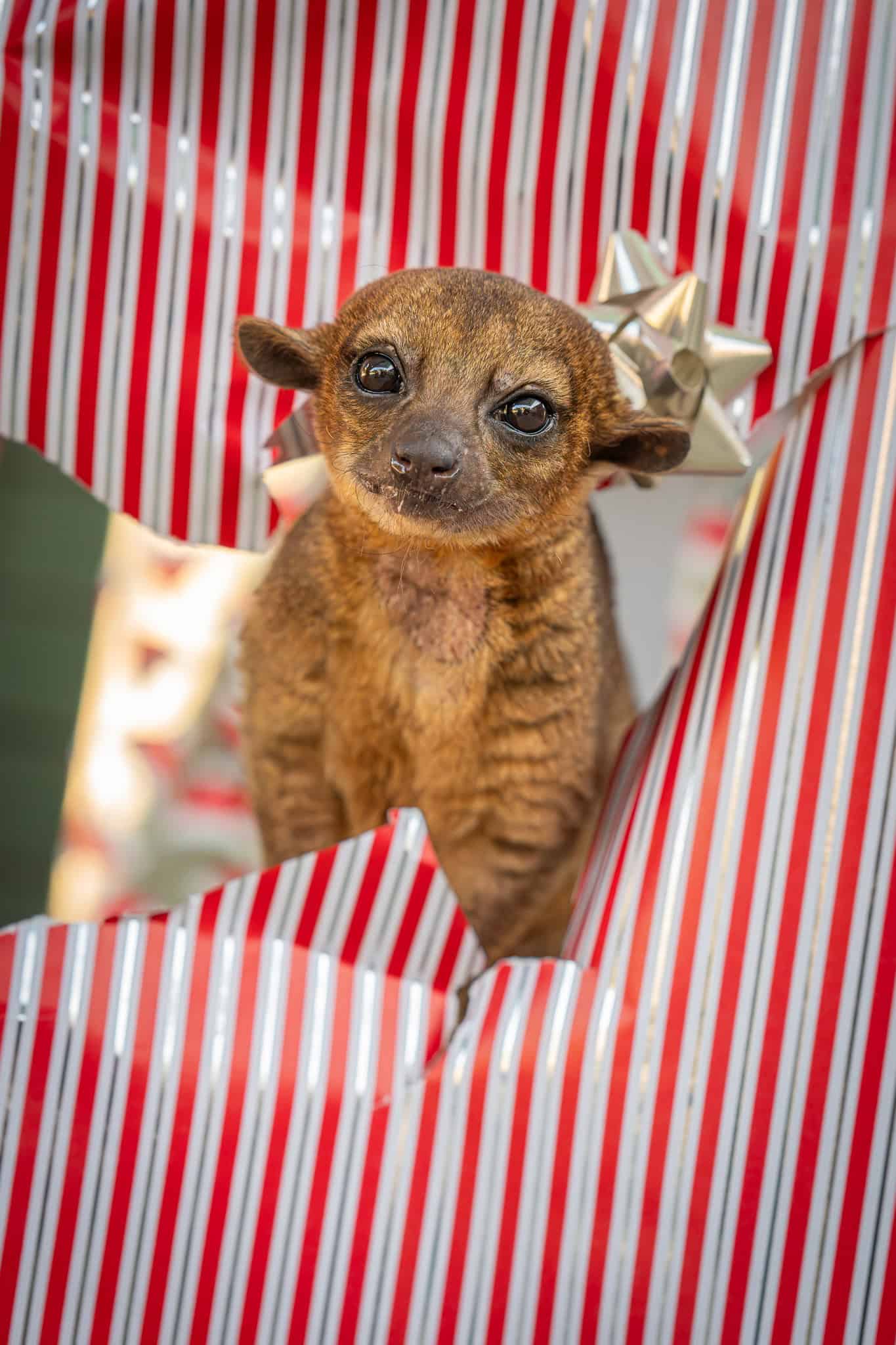
Kinkajous might look like the perfect pet. With their soft fur, wide eyes and playful personalities, it is easy to see why people would want to bring home a kinkajou of their own. But as the story of Pippin, a kinkajou at the Phoenix Zoo, shows, wild animals belong in the wild. When they are removed from their natural environment, the effects can last a lifetime.
Pippin arrived at the Phoenix Zoo 19 years ago, after being kept as a pet until he was around a year old. While it is unknown how he was originally obtained, kinkajous are not legal to own as pets in Arizona. After being confiscated or surrendered, Pippin came to his new home at the Zoo.
Kinkajous are native to the tropical forests of Central and South America, where they spend much of their lives climbing high in the trees. These nocturnal mammals are intelligent, active and highly specialized to life in the wild. Though they may appear cuddly and harmless, kinkajous are not domesticated animals and have complex physical, social and behavioral needs that cannot be met in a human home.
Like many wild animals kept in a human home, Pippin missed out on the important early development and natural mentoring he would have received from members of his own species. Humans, no matter how well-intentioned, cannot teach wild animals how to behave the way their own families can. In many cases, once an animal like Pippin has imprinted on humans, especially at a young age, they can no longer survive in the wild.
Before arriving at the Zoo, Pippin’s previous family would roughhouse and play with him. While they may not have intended harm, these interactions taught him aggressive behaviors. Kinkajous are omnivores with semi-sharp canine teeth and strong claws. When Pippin becomes frustrated or territorial, he has learned to react by biting or scratching.
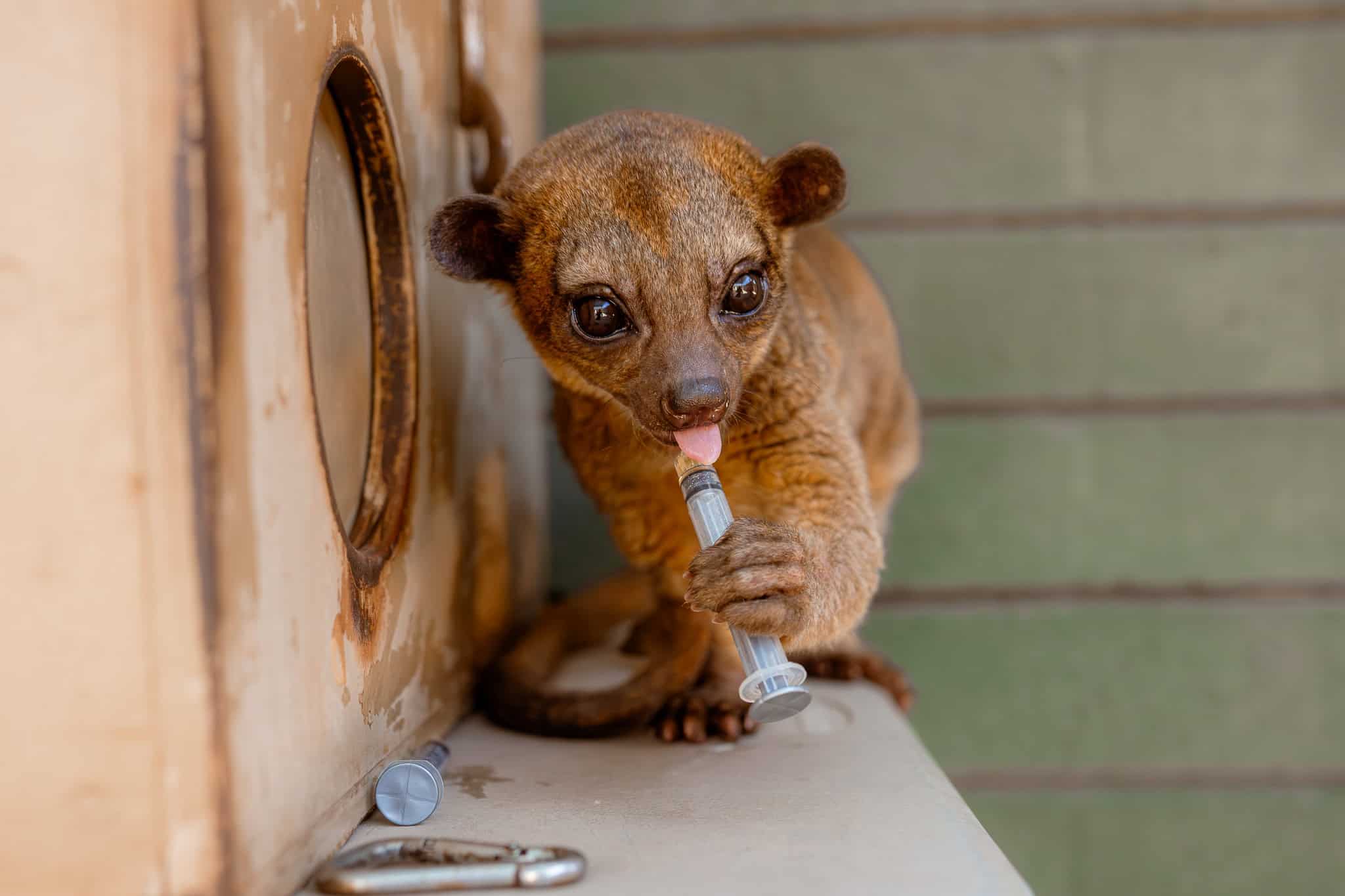
For years, Pippin’s animal care team has worked to help him regulate his emotions and build positive behaviors. Pippin has formed a special bond with his current primary keeper. He will sit on her shoulders while enjoying some of his favorite treats like bananas, honey and yogurt. He even makes soft vocalizations to her and a select few other staff members, similar to the calls kinkajous make to family members in the wild.
Now, Pippin uses his story to help educate Phoenix Zoo guests as a member of the Ambassador Animal Resources team. Animals like Pippin, who cannot return to the wild, can inspire others to care about wildlife and the natural world. Through encounters and educational experiences, he teaches guests about kinkajous, the dangers of the exotic pet trade and the importance of respecting wild animals from afar.
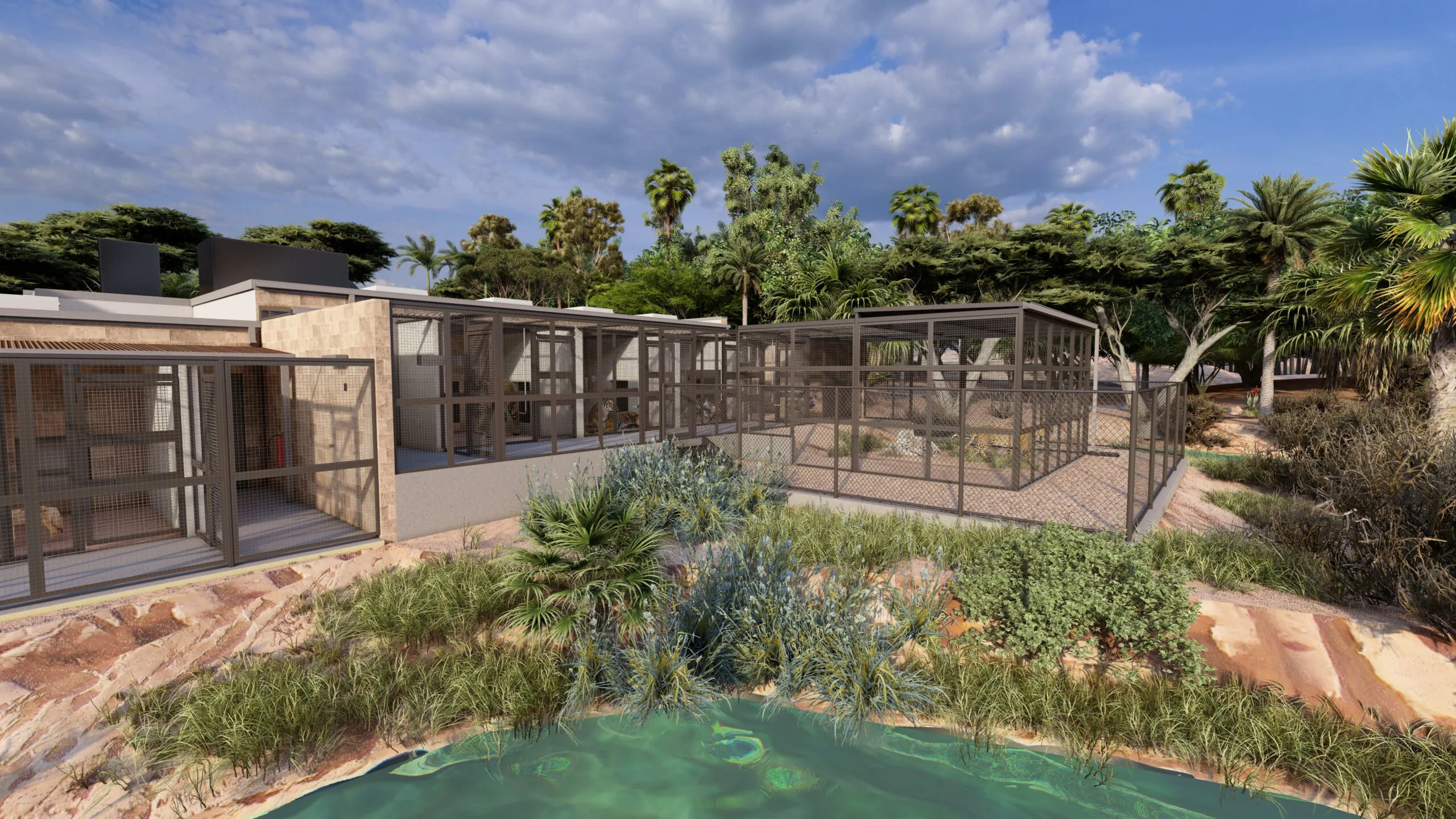
Stories like Pippin’s are one reason the Phoenix Zoo is building the Doornbos Animal Rescue and Care Center (Doornbos ARCC). This new state-of-the-art facility will expand the Zoo’s ability to care for animals involved in wildlife trafficking, confiscations and the rescue and rehabilitation of injured or orphaned wildlife.
With the Doornbos ARCC, the Zoo will be able to provide more animals like Pippin with the specialized care, time and safe space they need to heal and thrive.
Learn more about the Doornbos Animal Rescue and Care Center and how your support can help animals in need.