gartersnake release

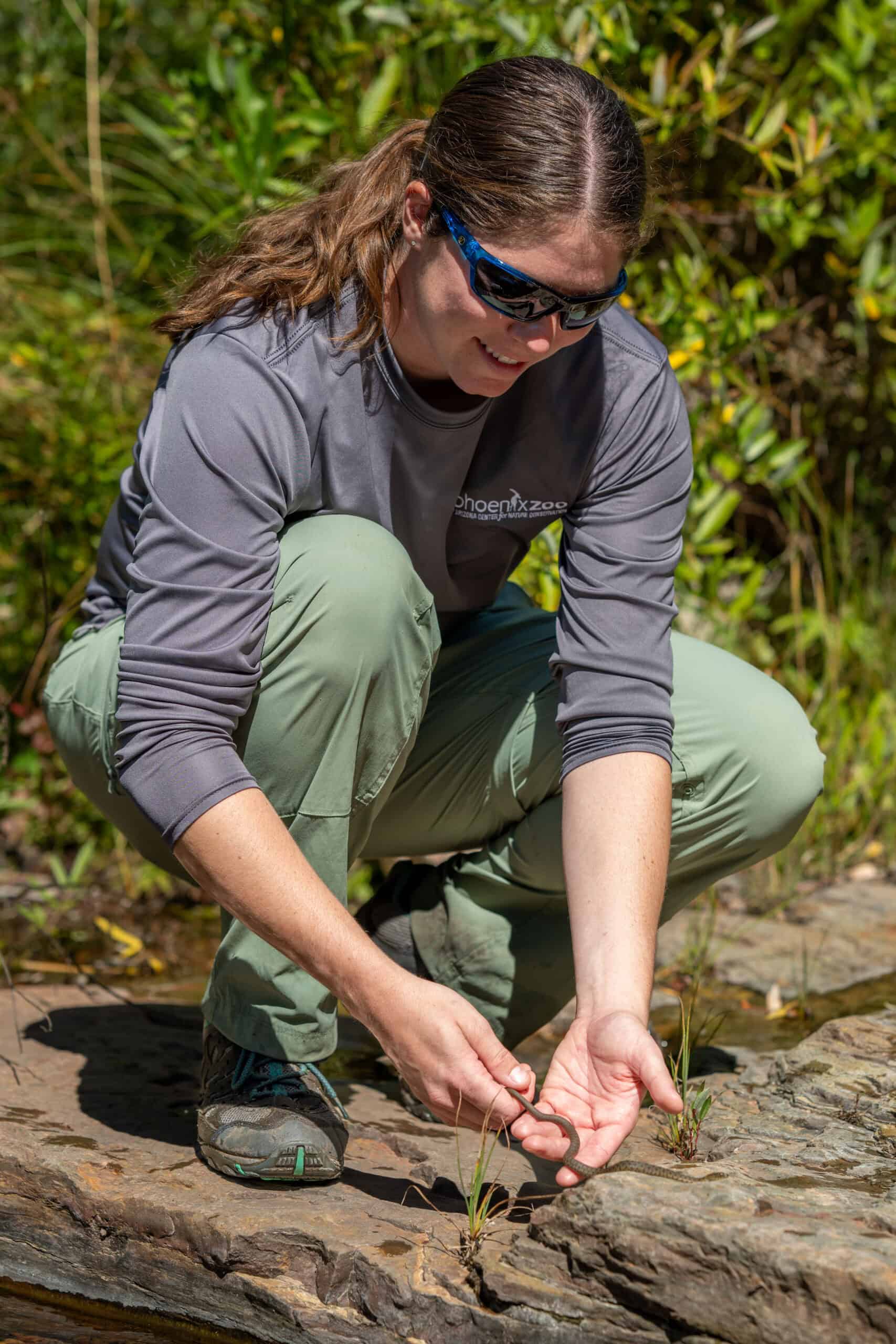
Along a cool stretch of Canyon Creek on the Mogollon Rim, a small native snake made a big conservation statement. In May, the Phoenix Zoo’s Conservation and Science team joined the Arizona Game and Fish Department, U.S. Forest Service, U.S. Geological Survey and more conservation partners to release 21 Zoo-born narrow-headed gartersnakes into the wild, including the 100th snake released from the Zoo’s native species conservation program.

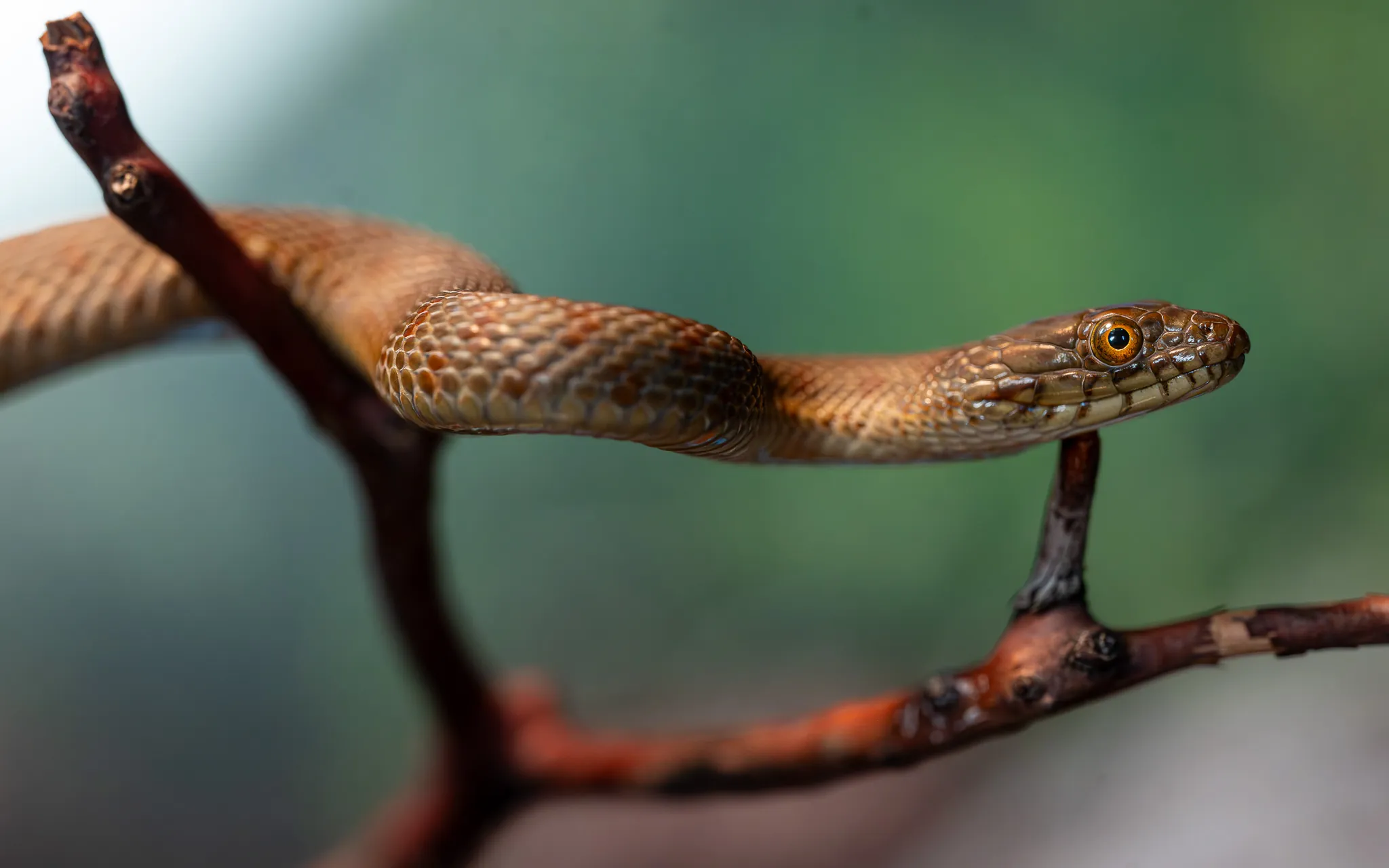
The release marks an important milestone for a threatened species found along rocky streams in Arizona and New Mexico. Narrow-headed gartersnakes are nonvenomous, semi-aquatic snakes that spend much of their time in or near water, feeding primarily on small fish. Their populations have declined because of habitat loss, drought/climate change and invasive species such as crayfish.

For the conservation team, moments like this begin long before release day. At the Arthur L. and Elaine V. Johnson Conservation Center, staff care for and breed narrow-headed gartersnakes in habitats designed to support their semi-aquatic needs. Over time, the team has refined the program by housing snakes in social groups, monitoring pregnancies through ultrasound and using genetics to better understand family lines and confirm whether released snakes are surviving in the wild.

Release day requires careful, hands-on work. Staff carry the snakes to the creek in cloth bags, then release them a few at a time along suitable stretches of habitat. Some snakes pause at the edge of the water before slipping quickly into the creek, beginning the next chapter of a journey that started at the Phoenix Zoo.

The work does not end there. These snakes were given a tiny microchip, similar to those used for pets, allowing researchers to use streamside monitoring equipment to detect tagged snakes as they move through their habitat. These and other tools help the Zoo and its partners learn whether released snakes are surviving, moving and behaving like wild snakes.

Excitingly, Zoo-born gartersnakes have now been documented surviving multiple winters at the release site and continue to be detected as subadults and adults in the wild. This success reflects years of patience, collaboration and science-based care, as well as the Zoo’s broader commitment to protecting Arizona’s native wildlife.

As one more Zoo-born snake slipped into Canyon Creek, it carried more than a number. It carried the dedication of the people who raised it, the strength of long-term conservation partnerships and a hopeful future for a remarkable Arizona species.

If this story inspires you, consider supporting the research and care that makes releases like this possible. Gifts through the Zoo’s Wish List can be directed to the Conservation Center by selecting that department.